Roof edge
Material and shape affect how the guard can fit.

Debris protection
Spend less time dealing with debris in your gutters. The right guard can reduce what enters the channel, but it still needs upkeep. Compare options around your roof, nearby trees and access for cleaning.
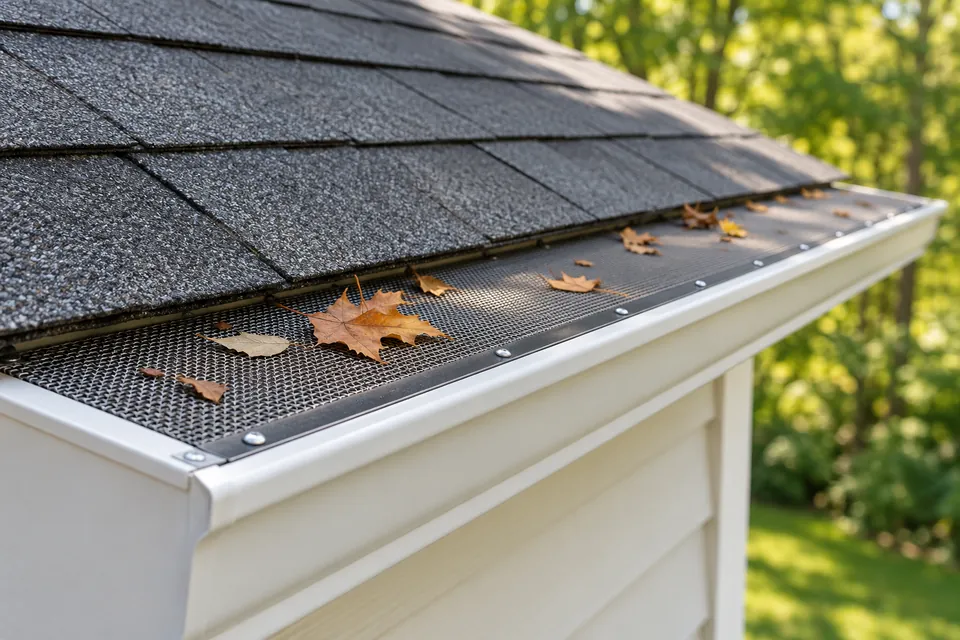
Guards can reduce debris entering the gutter, which may reduce the cleaning it needs. They work best as part of a sound system that lets water reach the outlets and downspouts.
Check existing overflow, damage and blocked outlets before adding guards. A cover does not correct those problems by itself.
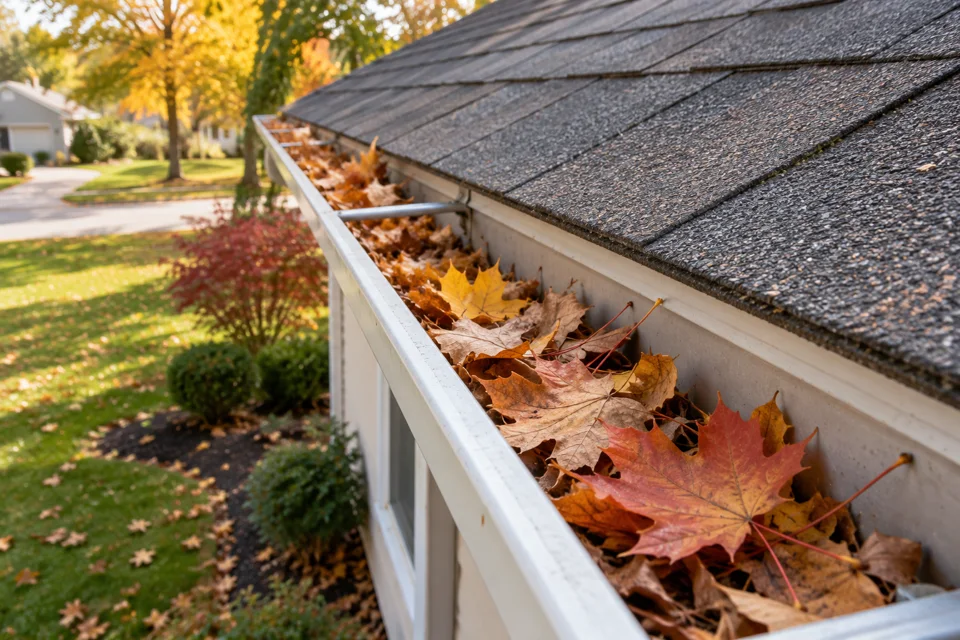
A guard that works well on one roof may be a poor fit on another. These factors shape suitability.
Material and shape affect how the guard can fit.
The roof angle affects how water reaches the gutter.
Leaves, needles, seed pods and grit need different consideration.
Note what falls onto the roof and where it gathers.
The profile and condition affect compatible guard options.
Ask how the guard can be inspected, cleaned or removed for future repairs. Safe access is part of choosing a product, especially on higher or difficult-to-reach roofs.
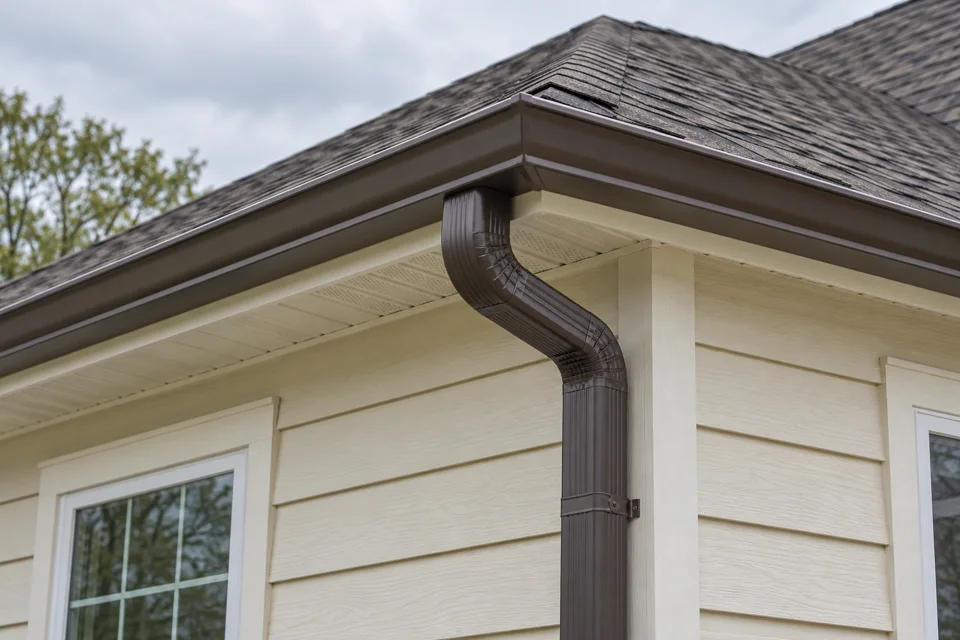
Warranty terms vary by product and installer. Ask specific questions so you know what is covered and what maintenance is expected.
Guard choice should follow the debris, roof and access conditions at your property. Compare how each option handles water flow, how it is attached and what upkeep it needs over time.
If overflow or drainage is already a problem, address that before assuming a guard will solve it. Cleaning, outlet work or downspout changes may be part of the answer.
No. Guards can reduce debris entering the channel, but some material still collects on top or near outlets. Maintenance needs vary by roof, trees and guard style.
Guards do not address the roof heat loss that contributes to ice dams. If ice keeps forming, include roof temperatures, insulation and ventilation in the assessment rather than treating it as a gutter-cover problem.
Roof material, pitch, nearby trees and debris type all matter. Existing gutter profile and condition also affect which guard options can be considered.
Ask what maintenance is required, how the guard is fastened, what is covered, how long coverage lasts and whether it fits the existing roof.